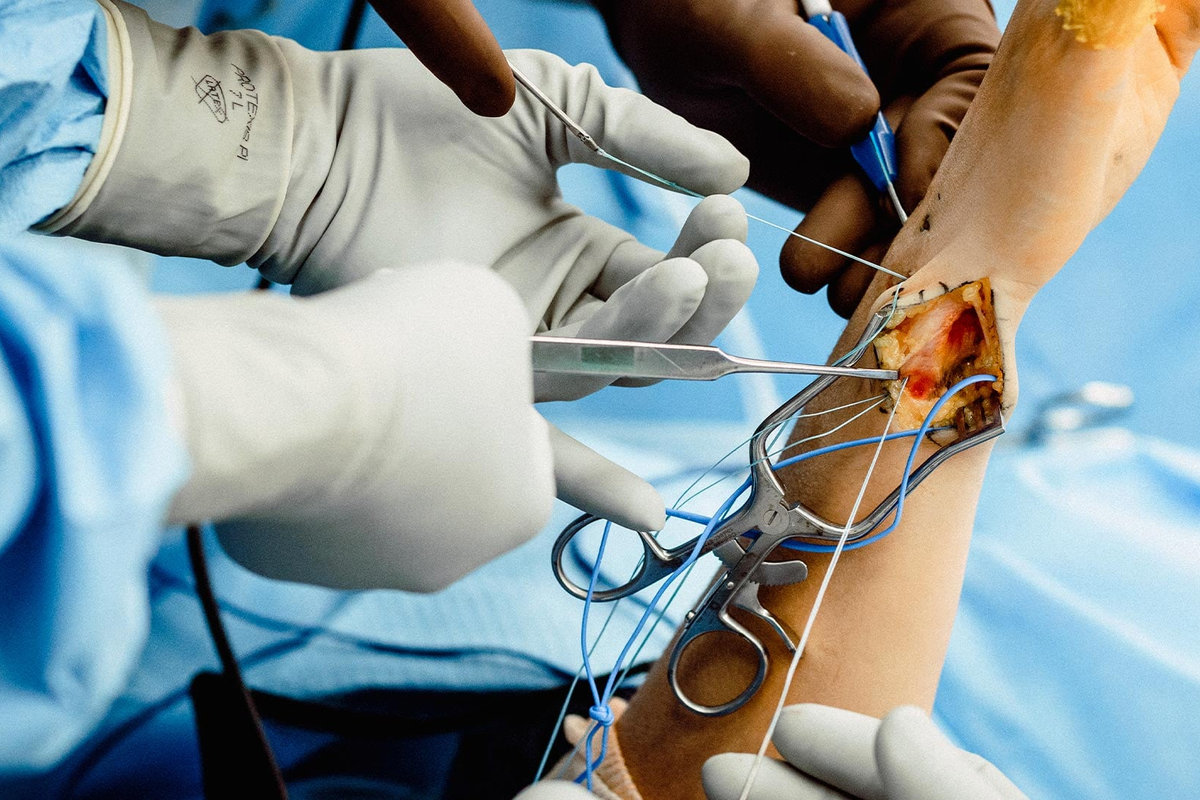
Chronic wrist pain can be frustrating—especially when X-rays look normal and MRI results are inconclusive. If you've been dealing with persistent wrist pain, clicking, or weakness that hasn't responded to conservative treatment, wrist arthroscopy may provide both the answer and the solution.
What Is Wrist Arthroscopy?
Wrist arthroscopy is a minimally invasive surgical procedure in which a small camera (arthroscope) is inserted into the wrist joint through tiny incisions (portals). This allows me to directly visualize the inside of the wrist joint—including cartilage surfaces, ligaments, and the triangular fibrocartilage complex (TFCC)—with far greater detail than any imaging study can provide.
Arthroscopy serves a dual purpose: it is both a diagnostic tool and a treatment tool. I can identify the source of pain and, in many cases, treat it during the same procedure.
Conditions Diagnosed and Treated with Wrist Arthroscopy
TFCC Tears
The triangular fibrocartilage complex is a cartilage structure on the ulnar (pinky) side of the wrist that acts as a cushion and stabilizer. TFCC tears cause ulnar-sided wrist pain, clicking, and weakness—especially with twisting motions. Arthroscopy allows me to directly visualize the tear and perform debridement (trimming) or repair with suture anchors.
Ligament Injuries
Scapholunate and lunotriquetral ligament injuries cause wrist instability and pain. Arthroscopy can detect partial tears missed on MRI and guide treatment decisions.
Cartilage Damage
Arthritis, osteochondral defects, and cartilage wear can be directly assessed and debrided during arthroscopy.
Ganglion Cysts
Dorsal wrist ganglion cysts can be treated arthroscopically by debriding the stalk from inside the joint, avoiding a larger open incision.
Loose Bodies
Fragments of cartilage or bone floating within the wrist joint can be removed arthroscopically.
What to Expect
Wrist arthroscopy is typically performed as an outpatient procedure under regional anesthesia (numbing the arm). Two to three small incisions—each about 3–5mm—are made on the back of the wrist. The procedure takes 30–60 minutes depending on what is found and treated.
Recovery
- Days 1–3: Soft dressing, keep hand elevated, gentle finger motion
- Days 7–14: Portal sites heal quickly, begin gentle wrist motion
- Weeks 2–6: Progressive return to activities (timeline depends on what was treated)
- If TFCC repair was performed: the wrist is immobilized for 4–6 weeks before beginning motion
Wrist Arthroscopy in Phoenix
If chronic wrist pain is holding you back, wrist arthroscopy can provide answers and relief. I offer this procedure for patients throughout the Phoenix metro—Scottsdale, Mesa, Chandler, Gilbert, Peoria, Goodyear, and Buckeye.
Call (602) 258-4788 to book an appointment with Dr. Todd Richards. Most insurance plans accepted. Same-week appointments often available.